Since the 1950’s, UBC has been the site of groundbreaking discoveries in understanding, diagnosing and treating a number of brain disorders and diseases. It is also home to Canada’s largest integrated research and treatment facility – the Djavad Mowafaghian Centre for Brain Health.
Today, more than 500 researchers continue to be at the forefront of brain research, pioneering their work around mental health and addictions, dementia, and movement disorders.
Skip to Stories
Discoveries
- 2017: Controversial treatment for MS found to be ineffective
- 2017: Link between vitamin A and Alzheimer’s disease
- 2017: Scientists create mouse that resists addiction
- 2016: Antibiotic restores brain cell communication damaged by Alzheimer’s
- 2015: Regular exercise can reduce risk of dementia
- 2012: Gene linked to Parkinson’s disease found
Key Research Groups
- BC Centre on Substance Use
- Brain, Behaviour & Development
- Centre for Research on Personhood in Dementia
- Djavad Mowafaghian Centre for Brain Health
- Dynamic Brain Circuits and Connections in Health and Disease cluster
- Edwin S.H. Leong Healthy Aging Program
- Institute of Mental Health
- Pacific Parkinson’s Research Centre
Spotlight

BCCSU partners with UBC to launch new training program for opioid treatment prescribers
The new Provincial Opioid Addiction Treatment Support Program will train health professionals in best practices for prescribing methadone and other opioid agonist treatments.
Read more >
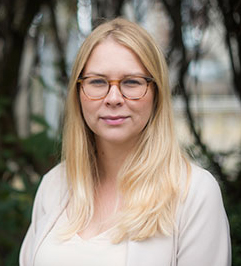
New online addiction training program launched
The Online Addiction Medicine Diploma is the latest educational initiative of the B.C. Centre on Substance Use, which began operations this year.
Read more >
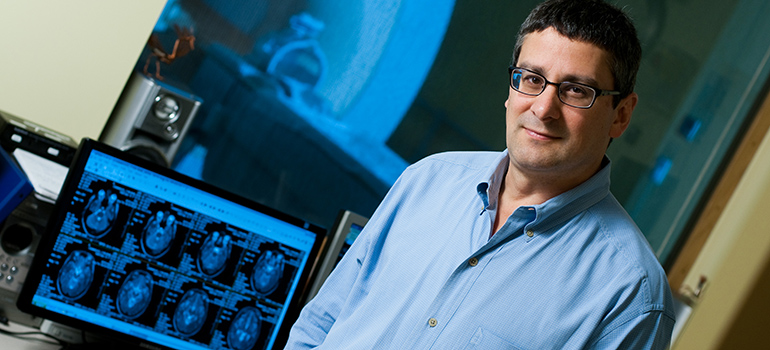
Controversial treatment for MS found to be ineffective
The clinical trial, led by Anthony Traboulsee, showed that opening narrowed veins didn't lead to better outcomes compared to a sham procedure.
Read more >
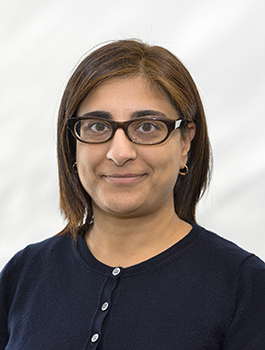
Study sheds light on B.C. youths’ experiences with mental health services
As a UBC graduate student in Rehabilitation Sciences, Shalini Lal highlighted the impact of mental health services on young people with psychosis.
Read more >
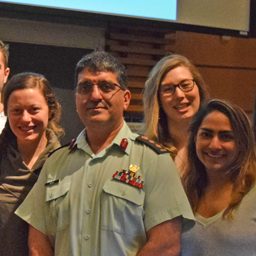
Breaking barriers to care in mental health
Colonel Jetly, Senior psychiatrist and Mental Health Advisor to the Surgeon General from the Canadian Armed Forces, talks with UBC medical students about mental health.
Read more >

UBC scientist is paving the way in Alzheimer’s research
UBC Professor Cheryl Wellington talks about her current projects and how she thinks emerging research will shape the way we diagnose and treat Alzheimer’s 10 years from now.
Read more >
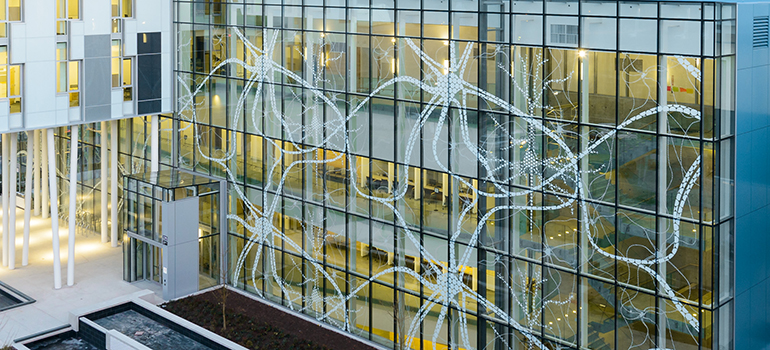
UBC’s beacons of hope in the war against Alzheimer’s disease
Despite dispiriting headlines in the search for an effective drug, UBC continues to uncover knowledge pointing to new treatments and best practices.
Read more >
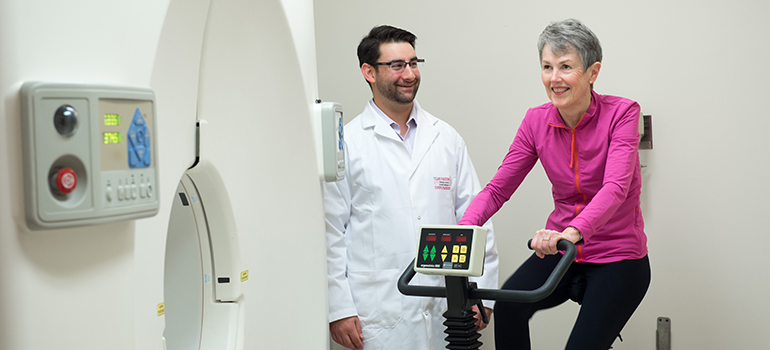
Study of exercise and Parkinson’s disease yields positive results
Habitual exercise may confer an advantage in combating Parkinson’s disease by facilitating the brain’s production of dopamine.
Read more >
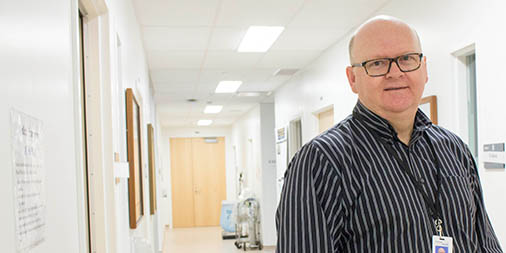
Advances in technology are shaping Parkinson’s research
UBC Professor Martin McKeown talks about his research interests, what he hopes to accomplish and his recent collaboration with Conquer Mobile.
Read more >
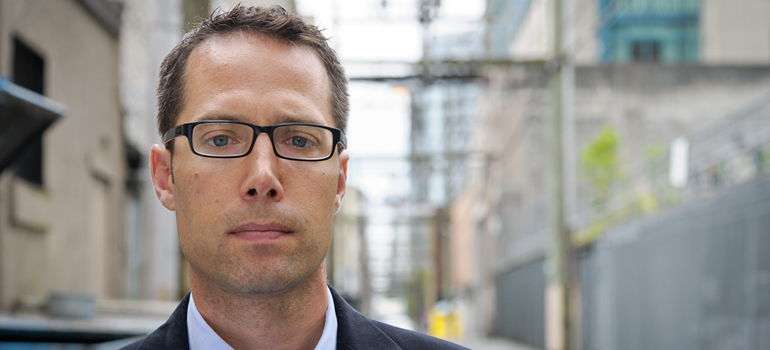
UBC helping with national study of opioid addiction treatment
Evan Wood will lead the B.C. arm of the study, which will compare methadone and buprenorphine/naloxone.
Read more >